
Lab chairs: ultimate guide to choosing, using, and caring for them
A comprehensive guide to selecting lab chairs that boost comfort, safety, and productivity in science and education settings.
Lab chairs are a core tool in any lab, classroom, or workspace where people spend hours seated. The right chair supports posture, reduces fatigue, and helps maintain accuracy during procedures. This guide covers how to choose lab chairs, what features matter, how to maintain and clean them, and what to consider for different lab environments.
Comparison of lab chair types by core characteristics
| Chair Type | Adjustability | Mobility (casters) | Ergonomic features | Weight capacity | Typical use |
|---|---|---|---|---|---|
| Stool | high | yes | lumbar support, foot ring | up to 300 lb | bench work |
| Task chair | high | yes | adjustable arms, lumbar | up to 300 lb | general tasks |
| Drafting chair | medium | yes (wide base) | tilt, backrest | up to 250 lb | tall desks |
| Industrial chair | medium | yes | rigid back, basic support | up to 350 lb | heavy use |
| Posture chair | high | yes | dynamic support | up to 280 lb | long sessions |
Compiled November 2026; check the provider's site for current details.
What makes a chair a "lab chair"?
Lab chairs are designed with specific needs in mind. They tend to feature:
- Ergonomic support tailored to extended sitting
- Mobility with casters suitable for lab floors
- Adjustable height, backrest angle, and seat depth
- Durable materials resistant to chemicals and frequent cleaning
- Stable bases and footrests for safety during procedures
Some labs require specialized models, such as stools for standing-to-sitting workflows, or chairs with integrated armrests, lumbar support, or tilt mechanisms. When shopping, distinguish between general office chairs and true lab chairs by checking for chemical compatibility, wring-out resistance, and cleanability.

Key features to prioritize
When evaluating lab chairs, prioritize the following features:
- Height adjustability: A wide range is essential to fit users of different heights and to align with benches, microscopes, or fume hoods.
- Back support: A contoured backrest, preferably with lumbar support, helps reduce spinal strain during long sessions.
- Seat depth and width: Proper depth supports the thighs without restricting circulation. A wider seat accommodates various body types.
- Armrests: Adjustable arms can relieve shoulder tension, but remove or tuck them if they interfere with workflow.
- Mobility and base: Heavy-duty casters suitable for tile, vinyl, or epoxy floors, plus a stable five-star base, reduce tipping risk.
- Materials and finish: Non-porous, chemical-resistant upholstery (like vinyl) is easier to clean and disinfect.
- Cleanability: Smooth seams and minimal crevices help with sanitization between users or experiments.
- Ergonomics options: Sliding seat, adjustable tilt, and backrest tension control let users customize support.
Materials and cleaning considerations
Lab environments demand materials that withstand frequent cleaning and chemical exposure. Look for: Lighthouses bathroom accessories canvas: coastal charm for your powder room
- Upholstery: Polyurethane vinyl (PVC) or polyurethane foam with sealed upholstery resists spills and stains better than fabric.
- Frames: Powder-coated steel or aluminum frames resist corrosion and are easy to wipe down.
- Finishes: Smooth, non-porous surfaces without fabric fray reduce contamination risk.
- Clean protocols: Ensure the chair can tolerate common lab disinfectants (e.g., 70% isopropyl alcohol, bleach solutions) without warping or color fading.
- Replaceable components: Chairs with replaceable wheels, armrests, or upholstery extend lifespan and reduce waste.
Materials and cleaning considerations for lab chairs
| Material | Stain resistance | Chemical resistance | Easy to clean | Temperature tolerance | Best for | Maintenance notes |
|---|---|---|---|---|---|---|
| Vinyl | good | moderate | easy | moderate | high-traffic labs | wipe; avoid sharp tools |
| Fabric | variable | limited | moderate | low | low-spill areas | stain guard recommended |
| Polypropylene shell | good | good | easy | high | wet labs | rinse; avoid solvents |
| Mesh | good | moderate | easy | high | warm environments | vacuum; occasional wipe |
| Metal | fair | good | easy | high | rugged labs | wipe; check coating |
Compiled November 2026; check the provider's site for current details.
Ergonomics for different lab roles
Different lab tasks demand different chair configurations:
- Researchers and technicians at benches: Prioritize high adjustability, back support, and seat depth for long bench work.
- Microscopy stations: A smaller seat with precise height adjustments and light back support helps with fine motor tasks.
- Chemical handling: A chair with chemical-resistant upholstery and stable base reduces accident risk if a spill occurs.
- Educational labs: Durable, easy-to-clean chairs that accommodate a broad range of student sizes and quick turnaround between classes are ideal.
- Wet labs vs. dry labs: Wet labs benefit from chairs with hydrophobic upholstery and easy cleanup. Dry labs may prioritize lighter weight for classroom mobility.
A practical buying guide: what to compare
When you’re comparing products, keep these criteria in mind: Kitchen tables: choosing, styling, and maximizing your space
- Adjustability range: Check minimum and maximum seat height and backrest tilt range.
- Weight capacity: Ensure the chair supports the heaviest users who will work at the bench.
- Seat dimensions: Look for a seat depth around 16–18 inches and width around 16–20 inches depending on user body type.
- Back support: Adjustable lumbar support and a breathable backrest can improve comfort.
- Castors and wheels: Choose wheels that match your lab floor type. Lockable wheels add safety.
- Warranty and service: A longer warranty and accessible service can save long-term costs.
- Certification and safety: Chairs that meet workspace safety standards (where applicable) offer added assurance.
Comparison table: common lab chair types
| Chair type | Best use | Pros | Cons | Typical price range |
|---|---|---|---|---|
| Lab stool with back | High bench use, occasional seating | Compact, easy to move, good for tall counters | Limited back support for long sessions | $150–$350 |
| Ergonomic lab chair | All-day bench work | Full adjustability, strong back support | Higher price, heavier | $300–$750 |
| Chemical-resistant chair | Wet labs, chemical handling | Durable upholstery, easy to clean | Can be less breathable, heavier | $250–$600 |
| Drafting chair | Elevated desks, microscopes | Excellent height range, swivel | Narrow seat, less back support | $150–$400 |
| Stacking/portable chair | Teaching labs, rotations | Lightweight, affordable | Weaker durability, less support | $60–$200 |
Note: Prices vary by brand, material, and warranty. Always factor in delivery, assembly, and replacement parts.
Safety and compliance considerations
Safety is a priority in labs. Keep these points in mind:
- Stability: A chair should have a sturdy base and, if possible, a five-point base to minimize tipping risks.
- Locking mechanisms: Locking casters prevent unwanted movement during hazardous tasks.
- Floor compatibility: Use mats or wheels designed for your floor type to prevent scratches and provide smoother movement.
- Cleaning compatibility: Ensure the chair’s upholstery and finish tolerate disinfectants used in your lab routine.
- User training: Provide quick-start guidance on adjusting height, tilt, and lumbar support to maximize benefits.
Ergonomics for lab roles and chair choices
| Role | Posture goal | Chair features needed | Adjustability priority | Fuel for comfort |
|---|---|---|---|---|
| Technologist | neutral spine | lumbar, arms, seat depth | high | frequent micro-movements |
| Technician | stable pelvis | sturdy base, backrest | medium | frequent breaks |
| Principal investigator | long sessions | dynamic back support, tilt | high | movable height |
| Assistant | varied tasks | flexible arms, 360° swivel | medium | breathable seat |
| Student | learning posture | basic lumbar, height | low | affordable option |
Compiled November 2026; check the provider's site for current details. Kitchen table sets: a complete guide to choosing the right dining ensemble
Maintenance and lifecycle
To maximize the life of lab chairs:
- Establish a cleaning routine: Wipe down daily with appropriate cleaners. Deep clean monthly if needed.
- Inspect regularly: Check casters, gas lift, and upholstery for wear. Replace damaged parts promptly.
- Schedule reupholstery or replacement: When fabric or seams wear through, consider repair or replacement to maintain hygiene standards.
- Centralized inventory: Track chairs by location and user to simplify maintenance and prevent loss.
How to choose for your lab environment
Consider a concise decision framework:
- Step 1: List tasks and typical duration at the chair.
- Step 2: Identify floor type and the need for mobility.
- Step 3: Decide on the level of back support and armrest preference.
- Step 4: Evaluate chemical exposure and cleaning needs.
- Step 5: Set a budget and plan for long-term maintenance.
If you run a teaching lab or a shared workspace, you may want a mix of chairs: ergonomic models for long sessions and simpler, easy-to-clean stools for quick shifts. In research environments, investing in a few premium ergonomic chairs can pay off in reduced fatigue-related errors and longer, more focused work periods.
Final recommendations
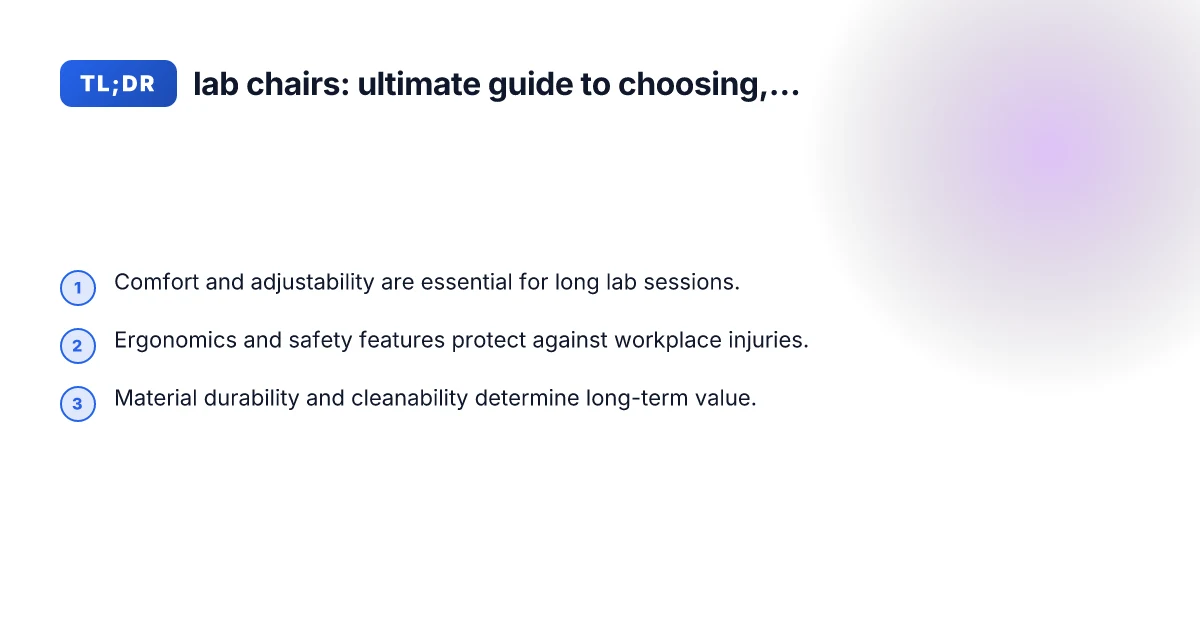
- For most science labs: Start with an ergonomic lab chair with adjustable height, back support, and a tilt mechanism. Ensure upholstery is cleanable and chemical-resistant.
- For wet labs or chemical handling: Prioritize chemical-resistant seating with a water- and chemical-resistant finish, easy cleaning, and a sturdy construction.
- For classrooms and teaching labs: Use durable, easy-clean chairs that accommodate a wide range of users, with a balance of comfort and portability.
- For limited budgets: Choose functional stools with back support and height adjustability, and plan for gradual upgrades as needed.
Always test chairs if possible before purchasing at scale: sit for 15–20 minutes, adjust each control, and check movement on your lab floor. If you’re unsure, consult a lab safety officer or an ergonomic specialist to tailor recommendations to your specific tasks and space. Kitchen Table: A Practical Guide to Selecting, Setting Up, and Caring for Your Core Family Hub
Endnote: Investing in suitable lab chairs is an investment in user health, productivity, and accuracy. A well-chosen chair reduces fatigue, supports proper posture, and eases the cleaning and maintenance burden that labs demand.