
Kitchen sinks: choosing, installing, and maintaining the heart of your kitchen
A practical guide to selecting, installing, and caring for kitchen sinks for a functional, stylish kitchen.
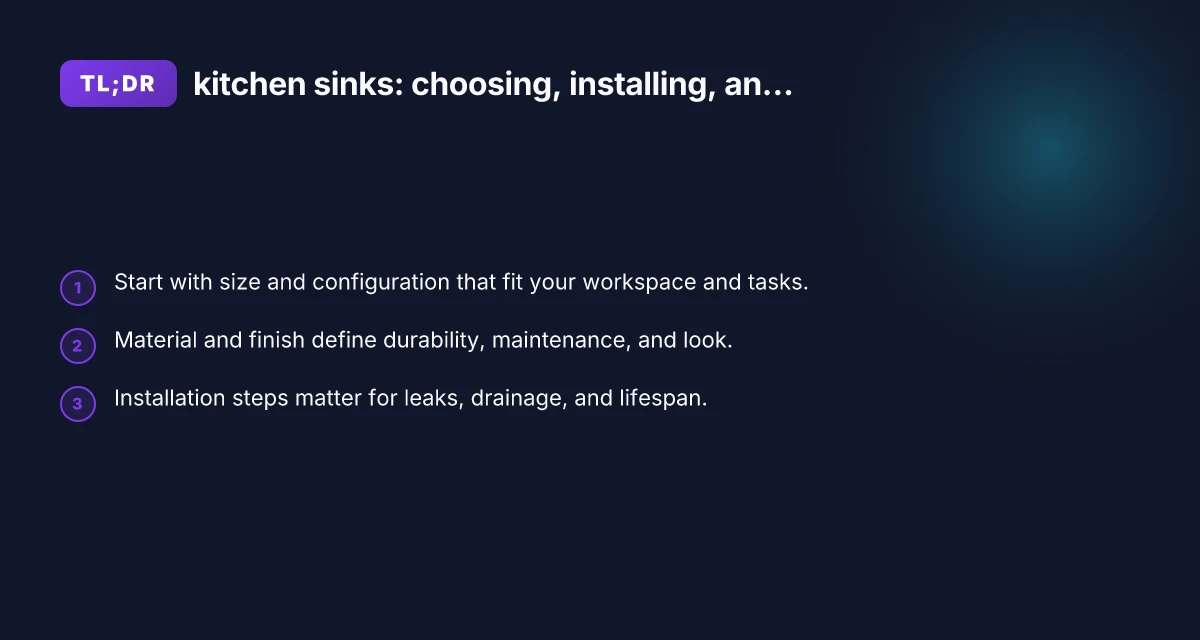
Kitchen sinks are more than just bowls for dishes. They anchor your counter space, affect workflow, and set the tone for your kitchen’s style. Getting the right sink means balancing size, material, configuration, and installation. This guide walks you through the essentials, from choosing the right sink to installing and maintaining it, so you can enjoy a reliable, attractive centerpiece for years to come.
How to choose the right kitchen sink
Choosing a sink starts with practical questions and a clear picture of your kitchen routine.
Size and configuration
- Measure your cabinet width and depth to ensure a proper fit.
- Common configurations:
- Single bowl: spacious, ideal for large pots and pans.
- Double bowl: versatile for washing and prep simultaneously.
- Triple bowl: specialized for dishwashing, rinsing, and disposal.
- Consider a shallow or deep bowl depending on your countertop clearance and preferences.
- Don’t forget faucet space and the distance to the dishwasher or garbage disposal.
Material options and what they mean
Sink materials affect durability, care, and style. Here’s a quick comparison:
| Material | Pros | Cons | Best use |
|---|---|---|---|
| Stainless steel | Durable, easy to clean, modern look | Scratches over time, can show water spots | Everyday kitchen, high-traffic homes |
| cast iron enameled | Classic look, very durable | Heavy, can chip, expensive | Traditional kitchens, heavy countertops |
| solid surface (e.g., quartz) | Seamless, stain resistant, color options | Can stain with dyes, softer surface | Contemporary kitchens, color-matched designs |
| composites (granite/quartz) | Durable, good heat resistance | May stain with certain dyes, pricier | Busy kitchens with heavy use |
| enameled steel | Lightweight, affordable | Not as durable as cast iron | Budget renovations, rental homes |
| fireclay | Elegant, very durable, smooth finish | Heavy, pricey | High-end kitchens, classic styling |
Finishes and features that matter
- Satin vs. mirror finishes: satin hides water spots better and is easier to maintain.
- Undermount vs. top-mount: undermounts look sleek and maximize counter space. Top-mounts are easier to install and replace.
- Rims and edges: rolled edges resist chips. Flat rims can be easier to clean around.
- Accessories: integrated ledges for cutlery, drying racks, cutting boards, and colanders can improve usability.
Plumbing compatibility and extras
- Check compatibility with garbage disposals and water filtration systems.
- Ensure your cabinet interior has the right clearance for mounting hardware and plumbing.
- Plan for trap placement, venting, and future maintenance access.

Materials and maintenance in depth
Understanding the care needs of your sink material saves you time and preserves the look.
Stainless steel: the workhorse
- Pros: resistant to heat and stains, versatile, quick to clean.
- Maintenance tips: wipe with a microfiber cloth, avoid abrasive cleaners, use a nonscratch pad for stuck-on food.
- Common issues: water spots, fingerprints, and dulling over time. Use a stainless steel cleaner periodically and consider a finish protector.
Cast iron enameled: timeless but needs care
- Pros: elegant finish, stain resistance when intact.
- Maintenance tips: avoid simmering pots directly, use mild cleaners, dry to prevent rust at the rim.
- Common issues: chipping or cracking enamel with heavy impact or hard minerals.
Solid surface and composites
- Pros: seamless appearance, easier to repair small scratches.
- Maintenance tips: use nonabrasive cleansers, avoid heat directly on the surface, polish gently as needed.
- Common issues: staining from highly pigmented foods if not promptly cleaned.
Fireclay and stone composites
- Pros: excellent heat resistance and durability.
- Maintenance tips: clean with nonabrasive, non-acidic cleaners. Avoid caustic substances.
- Common issues: slight dulling over time. Some color variations may occur.
Installation essentials: what to know before you cut
Proper installation prevents leaks, wobble, and future headaches. Kitchen rugs: the essential guide to choosing, styling, and caring for your space
Pre-install planning
- Confirm sink dimensions (outer rim, flange, bowl depth) match the cutout on your countertop.
- Decide on undermount or drop-in style, and plan for mounting hardware accordingly.
- If you’re replacing an old sink, measure the existing plumbing and consider possible pipe re-routing.
The basic steps, at a glance
- Shut off water and disconnect supply lines.
- Remove old sink and clean the countertop edge.
- Prepare the cutout in the countertop. Ensure it’s precise to avoid gaps.
- Install the faucet, drain, and any accessories before setting the sink.
- Sort out drainage: connect the garbage disposal if you have one, and set the P-trap.
- Place the new sink, apply sealant, and secure mounting hardware.
- Test for leaks with water running, and adjust as needed.
Common pitfalls and how to avoid them
- Inaccurate cutouts: use a template from the manufacturer and double-check measurements.
- Leaks around the rim: use the right sealant for the countertop material and avoid over-tightening fasteners.
- Misaligned drains: ensure the drain assembly sits flat and the gasket is positioned correctly.
- Over-tightening sink clips: can warp the sink or crack the countertop. Tighten until snug and evenly.
A practical comparison: common sink configurations and who they suit
Here’s a quick guide to help you pick based on how you cook and wash.
| Configuration | Best for | Typical downsides |
|---|---|---|
| Single bowl | Large pots, custom inserts, open space | Less prep area, can be messy for multitasking |
| Double bowls | Multi-tasking: prep in one, wash in the other | Narrower overall workspace, some waste |
| Triple bowls | Dedicated garbage disposal, prep, and quick rinse | Requires more counter space, harder to fit |
| Integrated/compartment | High-end kitchens with accessories | More expensive, specialized installation |
Practical care for long-lasting performance
Maintenance keeps sinks looking new and functioning smoothly.
- Daily care: rinse after use, wipe dry, and promptly clean spills to prevent staining.
- Stain prevention: avoid leaving highly pigmented foods or bleach products for long periods. Use a cutting board to protect the surface.
- Scratch and dent care: use nonscratch pads. For stubborn marks, consult manufacturer guidelines for safe polishing methods.
- Drain care: use a hair catcher to prevent clogs. Periodically flush the plumbing with hot water and a mild cleaner to avoid buildup.
- Accessories upkeep: sanitize draining baskets and drying racks. Clean them regularly to prevent mold and odors.
Final thoughts: choosing, installing, and living with your kitchen sink
The right kitchen sink aligns with your daily routines, your budget, and your kitchen’s design language. Start by sketching a simple plan: where the sink sits relative to the stove and fridge, how much counter space you’re willing to dedicate to it, and which materials fit your cooking style and maintenance tolerance. Then select a configuration that matches your workflow, whether you want a single large bowl for big pots, a double bowl for multitasking, or a triple setup for a highly organized prep area. Material choice matters as much as size: stainless steel is dependable and versatile. Cast iron enameled brings a traditional, heavy-duty look. And solid surface or stone composites offer seamless beauty with strong durability.
If you’re building or renovating, consider hiring a qualified installer to ensure precise cutouts, secure mounting, and proper sealing. A professional installation minimizes the risk of leaks, misalignment, and warranty issues. With the right sink and thoughtful care, your kitchen becomes not only more functional but a more pleasant space to cook, entertain, and unwind. For most homes, a well-chosen stainless steel or composite sink with a practical configuration and easy-care finish provides a durable backbone that will stand up to daily use and still look great years down the line. If you’d like, tell me your kitchen dimensions, preferred budget, and how you cook most days, and I can suggest a tailored sink setup, including exact sizes, material recommendations, and a step-by-step installation plan. Kitchen Remodel: Your Complete Guide to a Successful Transformation