
Frequently Asked Questions About Glass Chair Mats
A comprehensive FAQ on glass chair mats, covering use, maintenance, benefits, installation, and comparisons.
The thought of upgrading your workspace with a glass chair mat often raises questions. Here’s a thorough FAQ that captures the common concerns, from practical use to maintenance and comparisons with other mat materials. Whether you’re outfitting a home office or a corporate workspace, understanding these points will help you choose a glass chair mat that fits your needs.
Comparison of Glass Chair Mats vs Acrylic/Polycarbonate Mats
| Feature | Glass Chair Mats | Acrylic Mats | Polycarbonate Mats | Notes |
|---|---|---|---|---|
| Material | Glass | Acrylic | Polycarbonate | |
| Transparency | Clear/glass-like | Clear or tinted | Clear | |
| Scratch resistance | High | Moderate | High | |
| Weight | Heavy | Light to medium | Medium | |
| Breakage risk | Shatters if dropped | Shines with impact | Resistant to shattering | Handle with care |
| Edge options | Often beveled or polished | Beveled common | Beveled or flat | |
| Floor protection level | Excellent | Good | Excellent | |
| Price range | High | Medium | Medium to high | |
| Warranty | Varies by brand | Varies | Varies | |
| Ideal floors | Hard floors, carpets optional | Hard floors preferred | Hard floors preferred |
Compiled November 2026; check the provider's site for current details.
What is a glass chair mat and what is it used for?
Glass chair mats are rigid, transparent sheets placed on the floor to protect surfaces and improve chair mobility. They are usually made from tempered or laminated safety glass and come in various thicknesses and edge finishes. The typical uses include:
- Protecting hardwood, tile, laminate, and carpet edges from wear and indentations caused by rolling chairs.
- Providing a smooth, stable surface for chair wheels, reducing resistance and noise.
- Creating a visually clean, modern aesthetic in contemporary office spaces.
- Extending the life of flooring in high-traffic workstation areas.

How do glass chair mats compare to acrylic or polycarbonate mats?
When you’re choosing between glass and plastic mats, several factors matter. Here is a quick comparison to help you decide:
- Material: Glass is rigid, heat-resistant, and scratch-resistant but heavier. Plastic mats are lighter and flexible but can scratch more easily.
- Clarity: Glass maintains high clarity over time. Some plastics can yellow or cloud with age.
- Edge options: Glass edges can be beveled or ground for safety. Plastics often have molded edges.
- Noise and feel: Glass tends to feel very smooth and can be quieter on hard floors. Plastics may feel less premium but can be more forgiving on uneven subfloors.
- Price and weight: Glass mats are typically more expensive and heavier than plastic mats.
- Floor protection: Both provide floor protection, but glass offers a premium, long-lasting surface if well maintained.
Table: Quick material comparison
| Feature | Glass Chair Mats | Plastic (Acrylic/Polycarbonate) |
|---|---|---|
| Durability | High, resistant to scratches (with proper care) | Moderate to high, but can scratch or warp |
| Clarity / Look | Very clear, elegant look | May yellow or become cloudy over time |
| Weight | Heavier, may need two-person installation | Lighter, easier to handle alone |
| Edge Variants | Beveled or ground edges | Typically molded edges or smooth edges |
| Floor Protection | Excellent on hard floors, good on carpets | Good, varies by thickness and type |
| Price | Higher | Lower to moderate |
| Noise on hard floors | Quiet and smooth | Can be noisier depending on wheels |
Choosing Thickness for a Glass Chair Mat 5 Signs you should go to the mattress dealer for a new mattress
| Thickness option | Common ranges (mm) | Weight impact | Flex/ rigidity | Floor protection | Best use |
|---|---|---|---|---|---|
| 2-3 mm | Very thin | Light | Flexible | Moderate | Temporary or budget |
| 4-5 mm | Moderate | Medium | Somewhat rigid | Good | General use |
| 6-8 mm | Thick | Heavy | Very rigid | Excellent | High traffic, safety |
| 8-10 mm | Heavy | Very rigid | Minimal flex | Superior | Heavy furniture, long life |
Compiled November 2026; check the provider's site for current details.
What thickness should I choose for a glass chair mat?
Thickness is a key decision. Common glass mat thicknesses range from 1/4 inch (6 mm) to 3/8 inch (9 mm) or more for premium options. Consider:
- Floor type: On hard floors (wood, tile), a thicker mat feels sturdier and reduces the chance of flexibility under heavy load. On carpeted floors, a thick mat can prevent tipping and provide easier rolling.
- Chair wheel type: Softer wheels (nylon, rubber) sometimes benefit from a slightly thicker mat to maintain rolling ease.
- Temperature and usage: In high-traffic spaces or areas with temperature fluctuations, thicker glass offers more durability.
If you’re unsure, a 1/4 inch to 3/8 inch mat is a safe starting range for most home and small-office setups.
How do I install a glass chair mat safely?
Safety and proper installation extend the life of your mat. Follow these guidelines: Take note of these details when you buy a wall safe
- Clear the area: Remove furniture and ensure the floor is clean and dry.
- Check floor compatibility: Verify the floor surface is smooth, dry, and free of debris that could scratch glass.
- Handling: Glass is heavy. Use two people or ask for assistance when lifting and placing the mat.
- Positioning: Align the mat with the desk, chair area, or room layout before final placement.
- Edge safety: If the mat has beveled edges, ensure they are oriented to minimize trip risk.
- Surface care: Avoid sudden impacts or placing heavy objects directly on the mat to prevent chips at the edges.
- Adhesion (if used): Some installations use non-slip pads or small floor-friendly adhesive pads to keep the mat in place, but many glass mats rely on weight and surface friction. Follow manufacturer guidance.
How do I maintain a glass chair mat to keep it looking new?
Maintenance is straightforward but requires attention to avoid scratches and chips:
- Cleaning: Use a soft microfiber cloth with mild glass cleaner or a mixture of water and a small drop of dish soap. Wipe in sections and dry with a clean cloth to prevent streaks.
- Avoid abrasives: Do not use scouring pads, ammonia-based cleaners, or rough cloths that could scratch glazing.
- Protect the edges: Be mindful of impact from moving furniture legs or heavy objects banging against the edge. Use felt pads on furniture legs where possible.
- Wheel care: Keep chair wheels clean and free of grit which can mar the surface. Wipe wheels before rolling onto the mat.
- Temperature considerations: Avoid placing the mat near heat sources or exposing it to rapid temperature changes, which can affect edges over time.
- Stains and marks: Most marks from ink, markers, or dyes can be gently cleaned with a mild cleaner, but test a small area first.
Installation & Safety Table for Glass Chair Mats
| Step | Action | Safety tip | Tools (optional) | Notes |
|---|---|---|---|---|
| 1 | Choose flat floor | Inspect for debris | Broom, vacuum | Remove grit |
| 2 | Dry fit | Align edges | None | Check fit |
| 3 | Clean floor | Dry surface | Cloth, mild cleaner | Avoid moisture |
| 4 | Place mat | Centered | None | Level edges |
| 5 | Check adhesion (if using grip) | Non-slip pads only as needed | Pad strips | Avoid trip hazards |
| 6 | Secure edges | If beveled, smooth | Sandpaper (gentle) | Prevent lifting |
Compiled November 2026; check the provider's site for current details.
Can a glass chair mat protect my floors as well as carpet?
Yes, in most cases a glass chair mat provides excellent floor protection on hard surfaces and helps distribute the load from rolling chairs to minimize indentations and wear. On carpet, glass mats help protect carpet fibers in wheel paths and create a more stable rolling surface. However, for very thick pile carpets, a rigid glass mat may require a sub-surface support or a different mat design to prevent wobble or edge lipping. Always check the mat’s compatibility with your specific carpet loop height and subfloor conditions. Make Your Living Room More Comfortable with Furniture Shopping
What Edge designs should I look for?
Edge design affects safety, aesthetics, and ease of use:
- Beveled edges: Sloped edges that reduce tripping risk. Ideal for high-traffic areas.
- Ground or polished edges: Smooth, flat edges that look premium and feel comfortable if you step near the mat.
- Tinted or frosted edges: Subtle design options that can aid visibility in darker rooms.
- Integrated lip or edge: Some mats have a slight lip to halt movement, though glass mats typically have edge finishes designed to minimize tripping risk.
How long will a glass chair mat last?
Longevity depends on thickness, quality, usage, and care:
- With proper care, a high-quality tempered glass chair mat can last many years, even in busy offices.
- Avoid dropping heavy objects on the surface, as chips or cracks can develop from impacts.
- Regular cleaning prevents grime build-up that could affect clarity and wheel performance.
- Subfloor conditions matter: Uneven or rough subfloors can cause micro-scratches or edge wear over time if not properly supported.
What should I know about compatibility with chair wheels?
Chair wheels are a factor in choosing a mat:
- Soft wheels vs. hard wheels: Glass mats generally handle both well, but harsh, oversized wheels may cause more wear on a mat edge over time.
- Wheel width: Wider wheels distribute weight more evenly. Ensure your mat is large enough to accommodate your chair’s wheel base.
- Wheel material: Rubberized wheels can leave marks if the mat’s finish is not properly maintained. Keep wheels clean and inspect for wear.
Is there any maintenance or warranty I should be aware of?
- Maintenance: Regular cleaning, avoiding impact damage, and ensuring the mat remains flat on the floor are typical care steps.
- Warranty: Many glass chair mats offer warranties that cover manufacturing defects for a period, often several years. Check the specific terms, what constitutes “defect,” and whether accidental damage is excluded.
- Replacement costs: If the mat cracks due to impact or edge chipping, replacement could be necessary. Understand the warranty coverage to know if such scenarios are included.
When should I consider alternatives to glass chair mats?
- If you need a lighter, more portable solution, a plastic (acrylic or polycarbonate) mat might be preferable.
- If your floor is uneven or has radiant heating, a mat with a slightly flexible base or a surface designed for such conditions might perform better.
- If you have very thick carpet or require a cushioned feel, a specialized carpet chair mat could offer easier rolling and edge stability.
- If budget is a constraint, plastic mats typically offer a lower price point with adequate protection.
Maintenance & Longevity Guide Three benefits of backless stools
| Topic | Glass care | Frequency | Best practices | What to avoid | Expected life (varies) |
|---|---|---|---|---|---|
| Cleaning | Mild soap, water | Weekly | Dry after | Abrasives | Years with care |
| Stains | Wipe spills | As needed | Prompt cleaning | Harsh chemicals | Depends on use |
| Wear & edges | Inspect for chips | Monthly | Edge polishing if needed | Dropping heavy items | Long if careful |
| Shelf life | Durable | N/A | Regular checks | Extreme heat | Long |
Compiled November 2026; check the provider's site for current details.
Quick decision guide
To help you decide quickly, here’s a compact checklist:
- Floor type: Hard floors vs carpet?
- Aesthetic: Do you want a premium, translucent look?
- Weight and handling: Can you manage a heavier mat installation?
- Budget: Are you comfortable with a higher upfront cost for glass?
- Longevity: Do you prefer a long-lasting investment with easy maintenance?
Final section: recommendation If you value a premium, durable, and visually clean look for a modern workspace and you don’t mind the higher upfront cost and careful handling, a glass chair mat is a strong choice. It offers excellent floor protection, enduring clarity, and a sleek aesthetic that complements contemporary desks and seating. For small home offices, it can elevate the space with minimal visual bulk. If you prioritize portability, lighter installation, or lower cost, consider plastic alternatives or composite mats, which still protect floors and support smooth chair movement but with different maintenance and durability profiles.
In short: Why invest in a sleeper sofa for your home
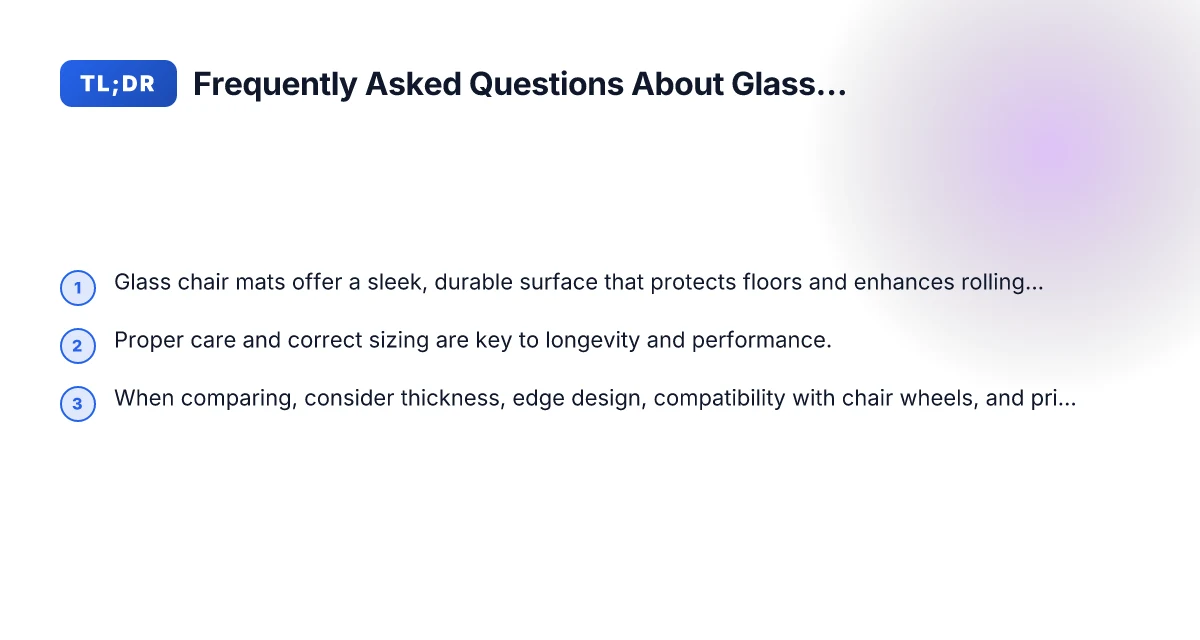
- Glass chair mats are best when longevity, clarity, and a premium look matter.
- Proper sizing, thickness, and edge design influence safety and performance.
- Regular cleaning and mindful use extend the mat’s life and keep its appearance pristine.
- Compare glass to plastic mats based on weight, cost, and floor type to choose what fits your space best.
If you’d like, I can tailor recommendations based on your room dimensions, flooring type, and chair wheel specifications to identify a glass chair mat that matches your exact setup.