
Avoiding potentially damaging mistakes with your wood furniture
Practical tips to prevent common missteps that harm wood furniture and keep it looking great.
Wood furniture adds warmth and character to a room, but it also invites careful care. Avoiding potentially damaging mistakes begins with understanding what can harm wood finishes, joints, and structural integrity. This guide outlines the most common missteps and how to prevent them, so your wood pieces stay beautiful for years.
Choosing wood finishes by failure risk
| Finish Type | Common Failure Mode | Longevity in daily use | Maintenance/Repair Needs | Best for: surface look |
|---|---|---|---|---|
| Polyurethane | Yellowing, cracking | High durability | Easy to recoat | Clear, hard protection |
| Wax | Dulling, dust attraction | Low to medium | Frequent buffing | Soft luster, easy repair |
| Lacquer | Cracking, wear lines | Medium to high | Light maintenance | Smooth, glassy finish |
| Oil (turniture oil) | Fading, uneven penetration | Medium | Regular reapplication | Rich, warm depth |
| Shellac | Water marks, dissolves with solvent | Low to medium | Frequent touch-ups | Antique look, easy repair |
Compiled November 2026; check the provider's site for current details.
Understanding wood finishes and why they fail
Wood finishes are thin layers that protect and enhance grain. When damaged, the look and durability suffer.
What finishes protect
- Wax, oil (like linseed or tung), varnish, polyurethane, and lacquer each behave differently.
- Finishes form a barrier, resist moisture, and slow stains.
- Some finishes penetrate the wood, others sit on top.
Common causes of finish damage
- Abrasive cleaners or scrubbing pads
- Water spills left to sit
- Heat directly on the surface
- Harsh chemicals (bleach, ammonia, solvent cleaners)
- Sunlight fading and bleaching
How to prevent finish damage
- Dust with a soft microfiber cloth. Wipe spills immediately with a damp cloth, then dry.
- Use coasters, placemats, and protective pads under hot dishes or mugs.
- Keep furniture away from direct sun or use UV-blocking window films and curtains.
- Choose cleaners labeled for wood and test in an inconspicuous area first.

The big three mistakes that commonly wreck wood furniture
Certain missteps are widely repeated, yet easily avoided.
1) Ignoring humidity and temperature
Wood expands in humidity and contracts in dry air, which can lead to cracks, warping, or joint loosening.
2) Using the wrong cleaning products
Aggressive chemicals strip finishes, while abrasive tools scratch surfaces. Furnish an uncovered patio with the right patio set
3) Improper storage and moving
Drastic temperature changes, stacking heavy items, or dragging furniture can gouge corners or crack legs.
Quick fixes and prevention
- Maintain a steady indoor humidity level (ideally 40–50% for most furniture).
- Use a humidifier or dehumidifier as needed, but avoid placing devices directly on wood surfaces.
- Lift and carry furniture when moving. Use felt pads and gentle blankets for protection.
Cleaning and care routines that prolong life
A thoughtful care routine minimizes the risk of damage.
Daily and weekly care
- Dust regularly with a microfiber cloth to avoid the buildup of grime.
- Wipe spills immediately with a slightly damp cloth, then dry thoroughly.
- Polish or wax only if the finish calls for it and as recommended by the finish manufacturer.
Monthly to quarterly checks
- Inspect joints, screws, and connectors for looseness. Tighten cautiously.
- Re-season wooden surfaces with a conditioner or oil only if appropriate for the finish.
- Reassess the environment: sun exposure, moisture, and airflow.
Cleaning product guidelines
| Product type | What it does | When to use | Cautions |
|---|---|---|---|
| Water-based cleaner | Gentle surface cleaning | Light dust removal; new to wood care | Do not soak; wipe dry immediately |
| Wood conditioner/oil | Nourishes wood; enhances grain | When wood looks dry or dull | Use as directed; some finishes require avoidance |
| Mild dish soap + water | General cleaning | When needed for grime | Rinse well; dry after |
| Harsh solvents/bleach | Deep stain removal; disinfect | Rarely needed; only on certain finishes | Can strip finish; test first |
| Wax or polish | Adds sheen and protective layer | Periodic maintenance on appropriate finishes | Avoid buildup; follow product instructions |
The big three mistakes and their impact
| Mistake | Mechanical risk | Aesthetic risk | Reversibility | Common fixes | Long-term outcome |
|---|---|---|---|---|---|
| Skipping surface prep | Low adhesion, peeling | Peeling surface | Reversible if sanded | Re-sand, re-finish | High if ignored |
| Using wrong cleaner | Finish damage, dulling | Residue, streaks | Reversible | Rinse, correct cleaner | Moderate to high |
| Over-wetting wood | Warping, swelling | Staining, finish lift | Reversible if caught early | Dry thoroughly, dehumidify | Can be severe if long |
Compiled November 2026; check the provider's site for current details. Why invest in a sleeper sofa for your home
Jumping over common planning pitfalls
Planning ahead saves money and preserves aesthetics.
Furniture and room planning
- Match pieces to room humidity and climate. Heavy pieces in stable zones rather than near heat vents or windows.
- Consider UV exposure when choosing finishes and placements.
Rental and guest-use considerations
- Use heat-proof mats on tables. Avoid placing hot dishes directly on any wood surface.
- Be mindful of high-traffic areas where children may drag or spill substances.
Seasonal care
- Use protective covers for long-term storage or seasonal shifts.
- Re-wax or refinish surfaces when the protective layer shows wear.
Repairing minor damage without making it worse
Not every ding requires a full refinishing job.
When to repair at home
- Light scratches on sealed finishes
- Small water rings that have dried
- Loose hardware that can be tightened with minimal risk
Safe repair steps
- For scratches: use a color-matched furniture crayon or wax stick. Buff gently with a soft cloth.
- For water rings: use a hair dryer on low heat at a distance to gently evaporate moisture, then re-wax or oil if applicable.
- For loose joints: check hardware. Re-tighten with the correct screwdriver. Avoid overtightening.
When to call in a professional
- Deep gouges, structural cracks, warping, or extensive finish damage.
- Antique pieces where improper repairs devalue or destabilize the item.
- Water damage that has penetrated the core or stained underlying materials.
Routine care checklist for wood furniture
| Task | Frequency | Tools needed | What it achieves | Problem indicators | Notes |
|---|---|---|---|---|---|
| Dust with microfiber | Daily | Microfiber cloth | Keeps finish clean | N/A | Gentle lift, not rub |
| Clean spills immediately | As needed | Soft cloth | Prevents stains | Sticky residue | Use mild cleaner if needed |
| Polish or oil upkeep | Monthly/quarterly | Soft cloth | Maintains finish depth | Dull spots | Do not over-apply |
| Check joints/legs | Quarterly | Light wrench | Prevents wobble | Loose screws | Tighten, re-glue if needed |
| Humidity control | Seasonal | Hygrometer | Reduces movement | Warping risk | 40–60% RH ideal |
Compiled November 2026; check the provider's site for current details. Three benefits of backless stools
A short checklist you can print and keep nearby
- Dust weekly with a microfiber cloth.
- Wipe spills immediately. Dry afterwards.
- Use coasters, mats, and protective pads.
- Avoid direct heat and sunlight. Place away from radiators and sunny windows.
- Clean with products labeled for wood. Avoid harsh chemicals.
- Inspect joints and hardware twice a year. Tighten as needed.
- Maintain stable humidity around 40–50%.
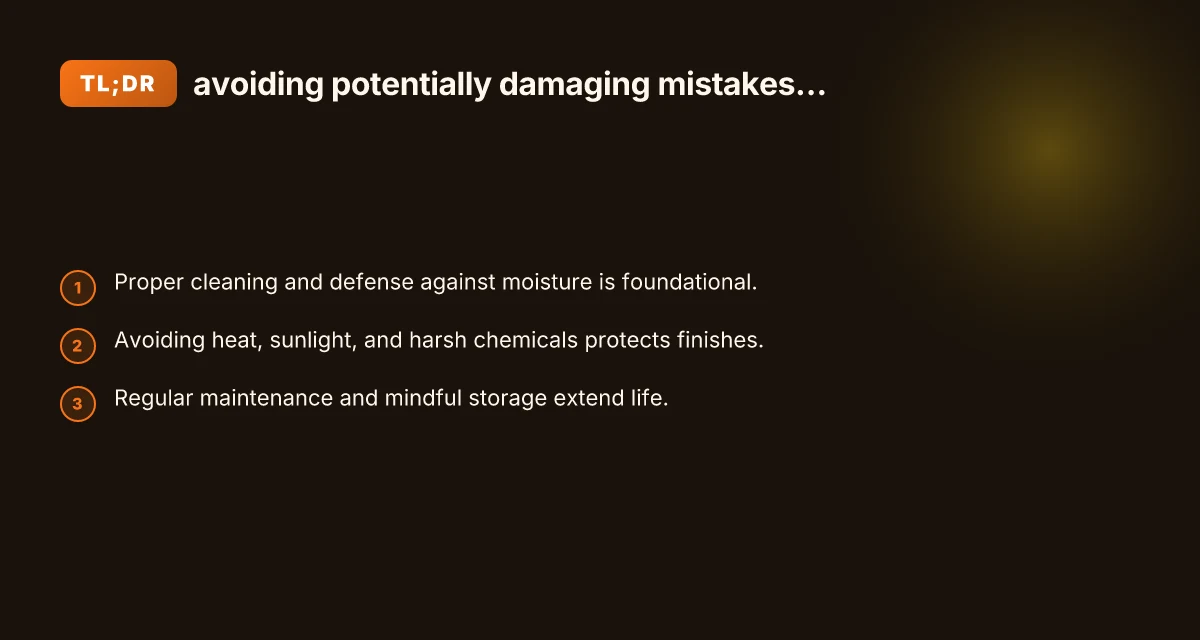
Final section: a practical recommendation If you want to avoid potentially damaging mistakes with your wood furniture, start with a baseline routine focused on gentle cleaning, environmental control, and mindful use of finishes. Establish a consistent humidity level in your home, protect surfaces from heat and moisture, and choose cleaning products that are intended for wood. Keep a simple maintenance kit handy: a microfiber cloth, a soft brush for under edges, a color-matched wax or furniture crayon for minor scratches, and a small bottle of furniture oil or conditioner suitable for your finish. With these steps, you reduce the risk of common missteps that can undermine beauty and longevity, while keeping wood pieces looking, feeling, and performing at their best.